From white mold and iron deficiency chlorosis (IDC) across the Northern states to root-knot nematode (RKN) in the South, every growing season brings a new, unique set of challenges, and 2026 has been no exception. Tracking plant health, disease pressure and environmental factors can help understand yield-limiting factors, improve how you protect yield in 2027, and provide valuable insights into 2027 seed selection and placement.
In the North
White mold and IDC have been two challenges that have stood out.
In the South
RKN, one of the most destructive, yield-limiting pests for soybeans has been a threat for many.
But the common theme between these 3 diseases? The best management decisions often start before the symptoms become obvious and before the planting season begins.
White Mold: When Weather Sets the Stage
Causes and Risk Factors
White mold (Sclerotinia stem rot) risk factors include:
- Cool, wet conditions during soybean flowering
- Dense canopies that remain wet for extended periods
- High plant populations, narrow rows and limited canopy air movement
Once established, management becomes much more difficult, making prevention key
Management Practices
- Select varieties with higher tolerance ratings for white mold
- NK15-G9E3S and NK17-H1E3 Brands and New-for-2027 NK20-J9E3S Brand
- Consider lowering plant population and increasing row spacing
- Scout fields around flowering and early reproductive stages
- Manage irrigation to avoid prolonged wet periods
- Evaluate fungicide options based on disease risk & timing
No single management strategy is a silver bullet, the goal is to stack as many management practices as possible to reduce the opportunity for white mold to establish and spread.
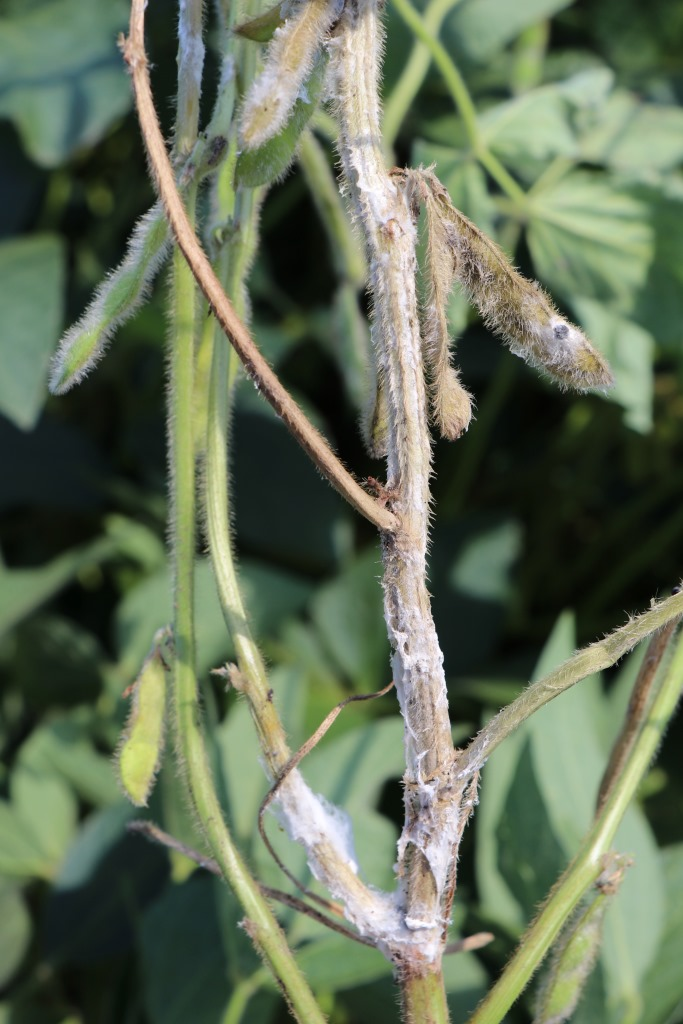
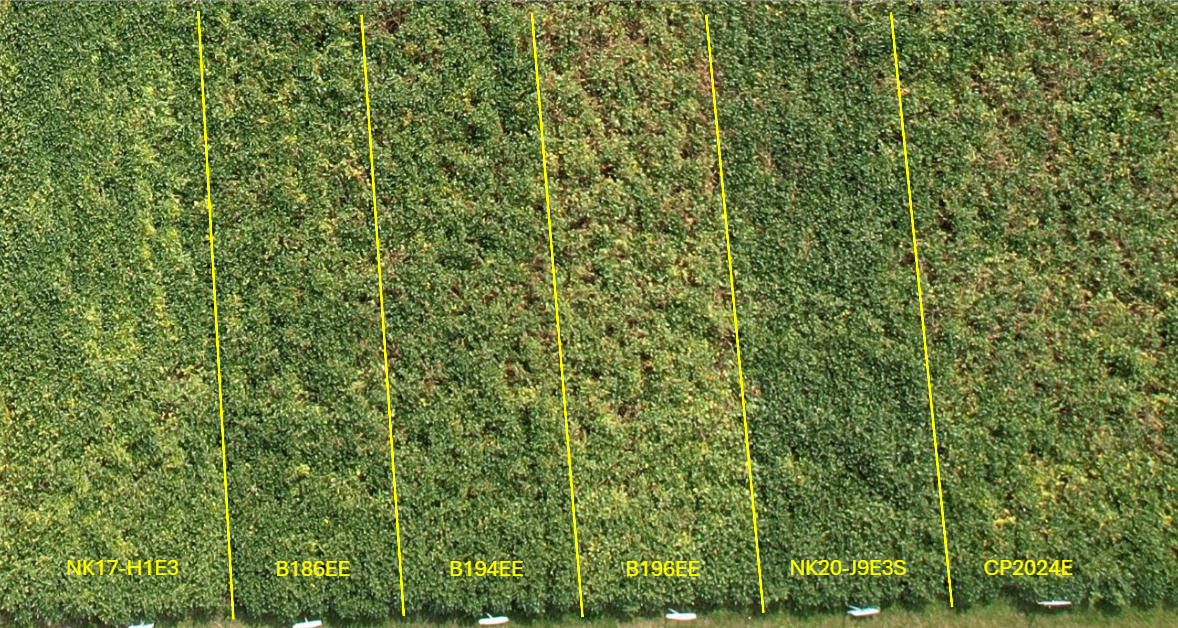 Figure 1.Showcasing White Mold Strength within NK Portfolio;
Elgin, MN; September 10, 2026Iron Deficiency Chlorosis: More Than Just a Yellow Soybean Field
Signs and Risk Factors
Yellow leaves with green veins is a classic symptom of IDC, which has been an issue this summer in Minnesota and neighboring states.
- Environmental and soil conditions can limit a plant’s ability to access and utilize iron.
- High-pH and calcareous soils, wet conditions, high bicarbonate levels and other plant stresses can all contribute to IDC.
Management Practices
In fields with a known history of IDC, careful variety selection should be one of your top management priorities.
- Select varieties with high IDC tolerance ratings
- Utilize an iron chelate
- Maintain adequate soybean populations
- Reduce additional stresses
From innovative genetic breeding to local level testing, NK Seeds strives to bring forth IDC-tolerant soybeans such as NK08-Z4E3, NK14-U5E3 Brands, & New-for-2027 NK16-B4E3S Brand.
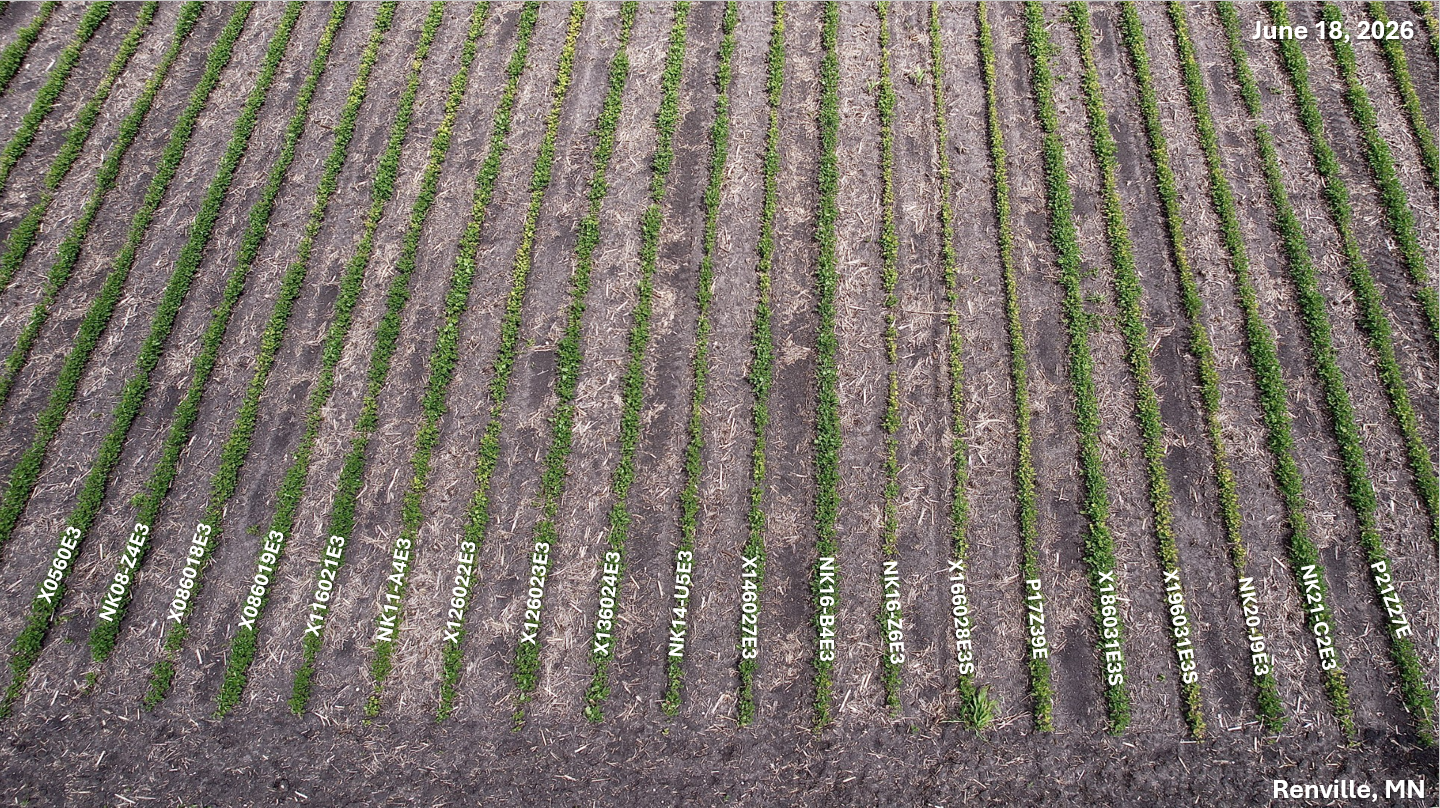 Figure 2.Showcasing IDC Strength within NK Portfolio;
Renville, MN; June 18, 2026Root Knot Nematode: Don’t Forget What’s Happening Below Ground
Causes and Risk Factors
Root knot nematodes (RKN) are microscopic roundworms that feed on soybean roots; they are most common in the South.
Key Risk: If you don’t scout for RKN early in the season, you may not know about it until it impacts yield at harvest.
- One of the most recognizable symptoms is the formation of galls on the roots.
- Above-ground symptoms can include stunting, uneven growth, and premature death.
- Damage can become particularly severe during drought stress, much like the 2026 growing season.
Management Practices
- Select soybean varieties with high tolerance ratings
- New for 2027: NK44-Y6E3S and NK49-D7E3S Brands
- NK47-C6XFS, NK52-D6E3 and NK52-M2XFS Brands
- Consider crop rotation on fields with a known RKN history
- Evaluate nematicides and seed care options to help protect 2027 your soybean investment
- Victrato® seed treatment from Syngenta delivers a robust level of protection against nematodes like SCN and diseases
- Conduct fall soil sampling to monitor nematode populations
- Carry out root inspections in areas of unexplained poor growth or stunting
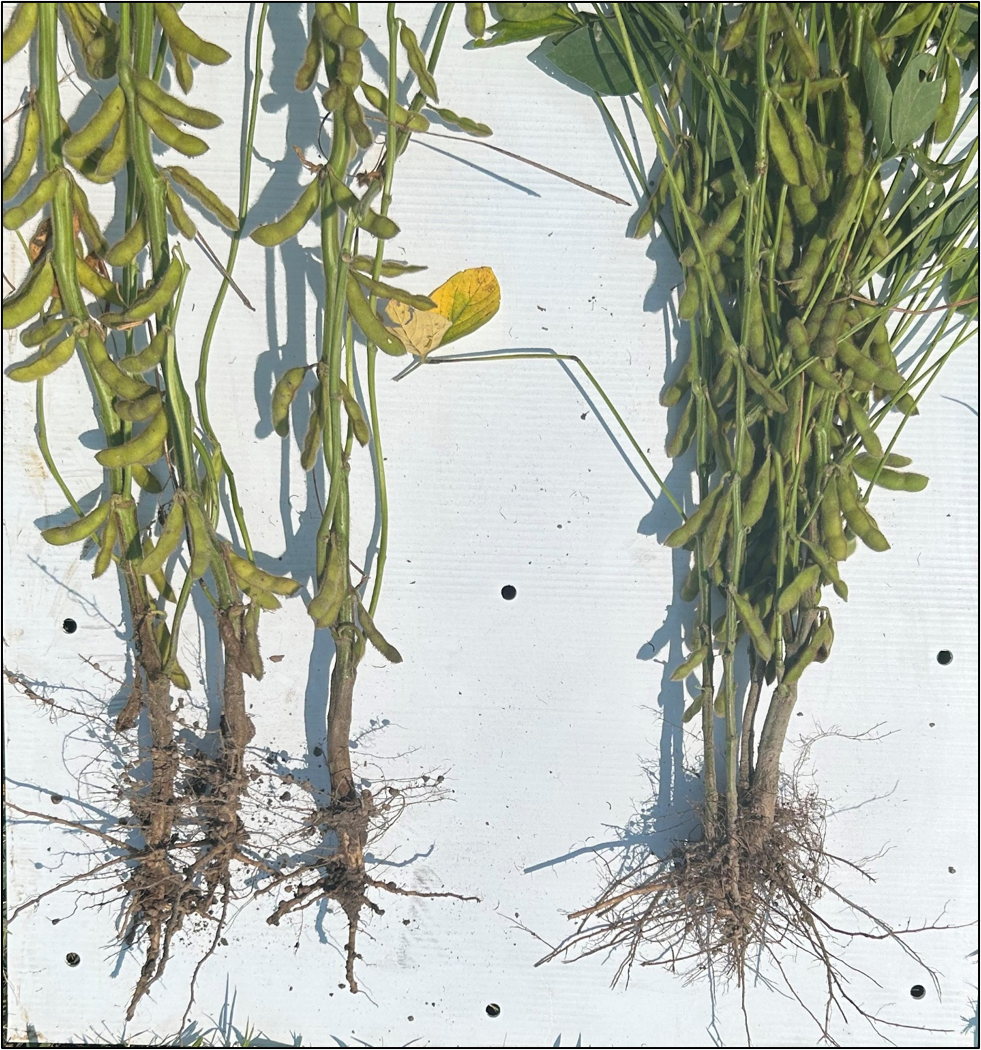
Key Takeaways: Overall, the bottom line to knowing what could be holding your crop back is to scout early, know your field, and build a plan to protect and improve soybean yields for years to come. Don’t wait until yield loss occurs to start asking the important questions - know the value of proactive agronomic management & make decisions early.
Product performance assumes disease presence
© 2026 Syngenta. Important: Always read and follow label instructions and overtreatment stewardship practices. Some products may not be registered for sale or use in all states or counties. Please check with your local extension service to ensure registration status. AAtrex 4L, AAtrex 4LC, AAtrex Nine-O, Acuron, Agri-Flex, Agri-Mek 0.15 EC, Agri-Mek SC, Avicta 500 FS, Avicta Complete Beans 500, Avicta Complete Corn 250, Avicta Duo, Avicta Duo 250 Corn, Avicta Duo Corn, Avicta Duo COT202, Avicta Duo Cotton, Besiege, Bicep II Magnum, Bicep II Magnum FC, Bicep Lite II Magnum, Callisto Xtra, Denim, Endigo ZC, Endigo ZCX, Epi-Mek 0.15EC, Expert, Force, Force 3G, Force 6.5G, Force CS, Force Evo, Gramoxone SL 2.0, Gramoxone SL 3.0, Karate, Karate with Zeon Technology, Lamcap, Lamcap II, Lamdec, Lexar EZ, Lumax EZ, Medal II ATZ, Minecto Pro, Opello, Proclaim, Tavium Plus VaporGrip Technology, Voliam Xpress and Warrior II with Zeon Technology are Restricted Use Pesticides.
Some seed treatment offers are separately registered products applied to the seed as a combined slurry. Always read individual product labels and treater instructions before combining and applying component products.
No dicamba may be used in-crop with seed with Roundup Ready® Xtend Technology, unless and until approved or specifically permitted in the state of application. Contact the U.S. EPA and your state pesticide regulatory agency with any questions about the approval status of dicamba herbicide products for in-crop use with products with XtendFlex® Technology. See product labels for details and tank mix partners. Golden Harvest® and NK® soybean varieties are protected under granted or pending U.S. variety patents and other intellectual property rights, regardless of the trait(s) within the seed. The Enlist E3® soybean, LibertyLink®, Roundup Ready 2 Xtend®, Roundup Ready 2 Yield® and XtendFlex® soybean traits may be protected under numerous United States patents. It is unlawful to save soybeans containing these traits for planting or transfer to others for use as a planting seed. NOT ALL formulations of dicamba, glyphosate or glufosinate are approved for in-crop use with products with XtendFlex® Technology. ONLY USE FORMULATIONS THAT ARE SPECIFICALLY LABELED FOR SUCH USES AND APPROVED FOR SUCH USE IN THE STATE OF APPLICATION. Only 2,4-D choline formulations with Colex-D® Technology are approved for use with Enlist E3® soybeans. The transgenic soybean event in ENLIST E3® soybeans is jointly developed and owned by Corteva Agriscience LLC and M.S. Technologies, L.L.C. The ENLIST trait and ENLIST Weed Control System are technologies owned and developed by Corteva Agriscience LLC. ENLIST® and ENLIST E3® are trademarks of Corteva Agriscience LLC. EXPANCE™ soybean technology is owned by M.S. Technologies, L.L.C. EXPANCE™ is a trademark of M.S. Technologies, L.L.C. Roundup Ready 2 Xtend®, Roundup Ready 2 Yield® and XtendFlex® are registered trademarks used under license from the Bayer Group.
More information about Syngenta seed products is available at www.biotradestatus.com. Trademarks are the property of their respective owners.
